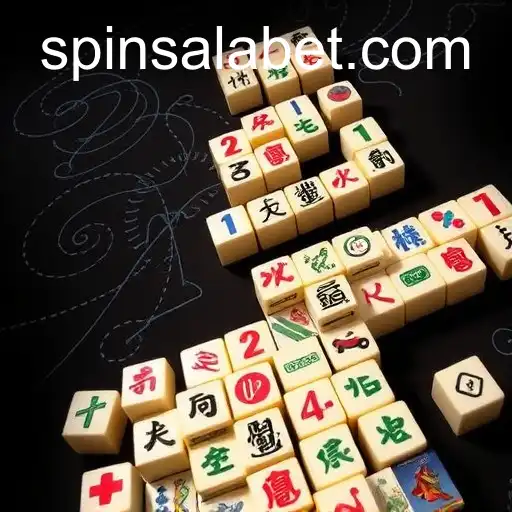
Exploring the Multifaceted World of Mahjong
Discover the fascinating world of Mahjong, a game with roots deep in Asian culture that has captured the interest of enthusiasts around the globe. With its complex strategies and social interaction, Mahjong offers more than just a pastime; it’s a cultural phenomenon and a continuously evolving game. In this article, we delve into how Mahjong has become a blend of tradition and modernization, including how the term fortuna51 fits into this expanding universe.
A Brief History of Mahjong
Originating in China during the Qing dynasty, Mahjong has a rich history. Its early form was primarily a game adopted by the elite. As the game evolved, it gradually reached a wider populace, eventually garnering international attention. Its expansion can be attributed to the Chinese diaspora who carried the game across continents, leading to various adaptations and rule changes.
The Basic Structure of Mahjong
Mahjong is typically played with a set of 144 tiles, although the number can vary by regional versions. These tiles feature different suits and honor tiles. The suits are categorized into dots, bamboo, and characters, while the honor tiles include winds and dragons. The game requires four players who aim to form a winning hand through strategic tile drawing and discarding.
Understanding the Gameplay
The Mahjong game begins with each player receiving 13 tiles. The game progresses with players drawing and discarding tiles to complete a valid hand, which usually consists of four melds and a pair. Melds can be pongs, kongs, or chows, and understanding these meld types is crucial for players aiming to optimize their strategy. Winning hands vary considerably, factoring in specific rule sets that change from one Mahjong variant to another.
Diverse Variants of Mahjong
Mahjong has become a game with multiple variants, each with distinct rules. Some of the popular styles include the Chinese Classical, Hong Kong, Japanese Riichi, and American Mahjong. Each version has unique scoring systems, tiles, and table rules, offering a rich diversity of experience to players worldwide.
Chinese Classical Mahjong
The original style of Mahjong, known as Chinese Classical, remains the foundation for other variants. It highlights basic gameplay with less complexity in scoring but still demands a high level of strategy.
Japanese Riichi Mahjong
Japanese Riichi introduces a deeper strategic element with its scoring system and the added element of declared hands. This variant is known for its complexity and the opportunities it offers for bluffing and defensive play.
The Role of Mahjong in Modern Society
While Mahjong originated centuries ago, it remains prevalent, particularly in communities with strong Asian cultural ties. However, its appeal has transcended cultural boundaries, reaching Western audiences via online platforms that offer digital adaptations of the game. The online Mahjong community has grown substantially, with platforms even incorporating elements like fortuna51 influences, adding a new dimension to gameplay and strategy.
Social Interaction through Mahjong
More than a game, Mahjong acts as a social conduit, bringing people together across generations. In many cultures, it plays a role in social gatherings and family events, fostering an environment of camaraderie.
Mahjong in Digital Space
The digital revolution has contributed significantly to Mahjong’s popularity. With mobile apps and online tournaments, Mahjong has found new life in the digital domain, allowing for a vibrant community that transcends geographical constraints. Elements like fortuna51 are embraced within these digital formats, reflecting a synergy of tradition and modern gaming culture.
Strategic Elements of Mahjong
Understanding Mahjong strategy requires more than just learning tile combinations. Mastery involves knowing when to pivot strategies, the art of reading opponents, and effective utilization of the scoring system. Players must also focus on tile efficiency, defensive strategies, and adeptness at shifting tactics mid-game.
The Cultural Significance of Mahjong
Mahjong’s reach extends beyond recreation; it serves as a cultural symbol for many. In literature, film, and media, Mahjong portrays various societal narratives. It's an emblem of communal ties, tradition, and a strategic mind. The inclusion of motifs and modern twists, such as elements coined under fortuna51, suggests Mahjong's adaptability and continuing relevance.
Mahjong and Cultural Preservation
Preserving the essence of Mahjong through various cultural iterations helps maintain ties to heritage. Cultural festivals and global championships contribute to the preservation and propagation of this iconic game. Fortuna51 may represent one of the fresh takes in this cultural tapestry, adding a unique flavor to traditional gameplay.
The expansive world of Mahjong continues to thrive, integrating elements of history, strategy, and social interaction. Variants adapt and evolve, making the game more inclusive and engaging for a global audience. Whether it is the use of new terms like fortuna51 or digital innovation, Mahjong demonstrates cultural endurance and universal appeal.